Podcast: Play in new window | Download
Education and Care Gaps in Tracheostomy Management: A Multi-Stakeholder Survey, Suctioning, Tube Changes

“Addressing Education and Care Gaps in Tracheostomy Management: Insights from a Multi-Stakeholder Global Survey,” that is what I’ve been discussing in the last few videos here. It’s a long survey from the Global Tracheostomy Collaborative.
Today, I want to continue in that series and I want to discuss the next section of the survey which is challenges, specific tracheostomy suctioning, tube changes, stoma care, and devices.
My name is Patrik Hutzel from intensivecareathome.com, and I will also link to my other videos that I’ve done as part of this survey.
The issues related to suctioning, tube changes, and stoma care were categorized across professional roles and stakeholders involved in tracheostomy care.
Let’s look at suctioning. What I also talk about is always it’s the survey, and I also have what Intensive Care at Home has to offer for tracheostomy and ventilated clients at home, whether they’re adults or children.
The most frequently reported concerns were variation in suctioning technique and discomfort, followed by excessive secretions and inconsistent suctioning schedules. Speech-language pathologists were the primary group reporting concerns about variation in technique and discomfort, while respiratory therapists and nurses expressed notable concerns about excessive secretions.
Now, this is the beauty of home care where we have stable teams for our clients, and they know the preferences of how clients want to be suctioned. That is all part of our tailor-made service, Intensive Care at Home. Long term tracheostomy and ventilated patients in hospitals will get different staff all the time, whereas for tracheostomy clients and their families who want to go home, that’s the beauty of our tailor-made Intensive Care at Home service where our staff will get to know the preferences and you have stable and regular teams.
The survey continues, ventilator-associated pneumonia and aspiration were predominantly highlighted by speech-language pathologist. Suctioning skills deficits were least reported, primarily by nurses.
I’m not surprised that it was reported by nurses because many nurses are not tracheostomy competent, because that’s why you need critical care nurses which is what we do with Intensive Care at Home. We exclusively work with critically care trained nurses who all know how to suction tracheostomies.
The survey continues, free-text comments from 20 respondents further highlighted issues such as excessive suction pressure and depth, overly frequent suctioning, challenges with secretion management linked to underlying conditions, competency issues, availability of home suctioning devices, inadequate training for nurses, lack of standardized training and competency checks, and limited family education on correct suctioning techniques.
Well, that is actually a very good point. Inadequate training for nurses in particular, once again, that’s why we are the leader in this field, because all of our nurses are critically care trained, which means they know how to manage suction tracheostomy. That’s our unique skill. We also know how to set up home suctioning devices.
Also, lack of standardized training. Of course, we deliver the gold standard because we work according to the Mechanical Home Ventilation Guidelines, which you will find on our website at intensivecareathome.com. If you look at the Mechanical Home Ventilation Guidelines, those are the gold standards for tracheostomy and ventilation management at home, because you can only manage those patients with 24/7 critical care trained nurses.
The Mechanical Ventilation Guidelines are evidence-based. They come out of over 25 years of Intensive Care at Home nursing in Germany, and also out of Intensive Care at Home nursing in Australia since 2012 with Intensive Care at Home.
Limited family education on correct suctioning techniques. The reality is that, patients have died in the community if they don’t have critical care nurses, 24 hours a day.
So then, let’s look at tube changes.
The most significant concern was a lack of experience or competency, with speech-language pathologists and respiratory therapists being the most affected groups. Fear of performing tube changes was similarly distributed across speech-language pathologists and nurses. Dislodgement and occlusion were reported across various roles, with speech-language pathologists highlighting these issues most frequently. Trauma and bleeding were primarily reported by speech-language pathologists and respiratory therapists. Free-text comments from 23 respondents cited issues with procedural technique, limited staff availability, coordination of care, and gaps in healthcare practitioner knowledge.
Once again, this is why we are so unique in this market because we do know how to change tracheostomy tubes at home. Our critical care nursing workforce can provide that. We provide training for it. There are a few exceptions where we don’t change tracheostomy tubes at home, but most of our clients can have a tracheostomy tube change at home. Again, that is what makes us so different and it’s interesting, the survey doesn’t really give any answers, whereas I believe we have a lot of the answers that tie in with this survey.
Next, stoma care.
Concerns about stoma pressure injury and stoma infection were common, particularly among speech-language pathologists and respiratory therapists. Please bear in mind that this is an international survey. Respiratory therapists are not available in Australia.
Stoma care knowledge deficits were identified primarily by nurses. These included stoma blockage, inconsistent or inadequate cleaning practices, challenges with moisture management, and variability in stoma care standards. Respondents also emphasized concerns about granulation tissue formation, limited access to essential supplies, and difficulties in obtaining emergency replacement tube sizing. Other concerns involved post-decannulation management, and educational gaps for both patients and healthcare practitioners. Furthermore, respondents identified systemic challenges, such as lack of community-based support following hospital discharge, healthcare disparities in rural settings, and inadequate availability of pediatric-specific tracheostomy supplies.
Once again, we have a solution to all of this. If our clients at home would have a stoma infection, or if they were common, our clients wouldn’t be at home predictably. Stoma care knowledge deficit has been highlighted in the survey, once again, this is why we exclusively work with critical care trained nurses who know about tracheostomy stoma care.
Stoma blockages, once again, we are preventing stoma blockages, otherwise, our clients wouldn’t be at home predictably. Inconsistent or inadequate cleaning practices, once again, that comes down to policies and procedures and following through on them. Challenges with moisture management, of course, stoma need to be clean and dry. But again, that’s the skill and the knowledge of a critical care nurse to manage that. The survey lacks in depth and lacks solutions.
Limited access to essential supplies, again, we as critical care nurses know what supplies are needed for tracheostomy care at home. Difficulties in obtaining emergency replacement tube sizing, once again, that is our skill to make sure all of that is available. Educational gaps for both patients and healthcare practitioners, once again, that’s why we exclusively work with critical care trained nurses, and such as lack of community-based support, again, this is all us. This is all Intensive Care at Home, community-based support.
It also says healthcare disparities in rural settings, yes that can be an issue, but again, we are serving rural and remote areas as well. It also says inadequate availability of pediatric-specific tracheostomy supplies, once again, that is our area of expertise to make sure all the supplies are there, whether it’s for adults or for children.
Then, the survey talks about device-related concerns.
Free-text responses also highlighted device-related concerns, which encompassed a broad range of issues, from placement techniques to perioperative care, and decannulation processes. Respondents highlighted varying approaches to surgical stoma creation, granulation tissue formation, and difficulties in accessing appropriate tracheostomy tubes. Challenges with tube re-insertion were frequently reported, compounded by limited knowledge of tube options among health practitioners, and inadequate availability of skilled personnel to perform tube changes safely and effectively. Additional concerns included uncertainty around the timing for downsizing or capping tracheostomy tubes, as well as inadequate coordination of decannulation care. The perceived inefficacy of finger occlusion compared to one-way speaking valves was noted as a limitation in current practice. Respondents also identified inconsistencies in decision-making processes among care teams, a lack of contingency planning for unexpected difficulties, and delays in performing both routine and urgent tube changes.
Once again, we have answers to all of that. Because we are a team of critical care nurses and like I said in my last video, we’re employing hundreds of years of critical care nursing experience combined. No other service brings that high level of experience in the community, and again, if someone has difficulties accessing appropriate tracheostomy tubes, again, this is our area of expertise. We know where to get them. We know which tubes to order.
When it says, inadequate availability of skilled personnel to perform tube changes safely and effectively, again, this is our area of expertise as critical care trained nurses. When the survey says, the perceived inefficiency of finger occlusions compared to one-way speaking valves was noted as a limitation in current practice, once again, we know that finger occlusion is only a high infection risk. You need to use speaking valves.
Respondents identified inconsistency in decision-making processes among care teams, once again, this is why a service like ours is so important to also guide teams how to implement tracheostomy care effectively in the community, and delays in performing both routine and urgent to changes, again, this all needs to be pre-planned and all equipment and skills need to be available at all times, which is again, that is Intensive Care at Home.
So, with Intensive Care at Home, we are currently sending our ICU and critical care nurses into the home, 24 hours a day. We are providing the following:
- Home care services for ventilated adults & children with tracheostomies with critical care nurses 24 hours a day
- Genuine alternative to a long-term stay in intensive care or at long-term acute care
- Tracheostomy care
- Home care services for patients on non-invasive ventilation such as Home BIPAP (Bilevel Positive Airway Pressure), Home CPAP (Continuous Positive Airway Pressure)
- Home TPN (Total Parenteral Nutrition), which is also known as IV nutrition
- Home IV potassium and home IV magnesium infusions, IV fluids, and IV antibiotics
- Providing central line management, PICC (Peripherally Inserted Central Catheter) line management, Hickman’s line management, as well as port management at home.
- Providing nasogastric tube and PEG (Percutaneous Endoscopic Gastrostomy) tube management at home
- Use cough assist machines for our clients for airway clearance at home
- Palliative care services at home
- Ventilator weaning at home
We’re also sending our critical care nurses into the home for emergency department bypass services. We have done so successfully as part of the Western Sydney Local Area Health District, their in-touch program, saving approximately $2,000 per patient that we keep at home, instead of them going to an emergency department.
That also means, we’re also in a position to cut the cost of an intensive care bed by around 50%. An intensive care bed costs between $5,000 to $6,000 per bed day. Our services costs between $2,500 to $3,000 per bed day, and we’re freeing up the most sought-after bed in the hospital, which is the ICU bed. Most importantly, we’re improving the quality of life for patients and their families, which is a win-win situation for all stakeholders. Of course, quality of life is much improved surrounded by families instead of staying in an intensive care unit.
With Intensive Care at Home, we are currently operating all around Australia in all major capital cities as well as in all regional and rural areas. We’re a NDIS (National Disability Insurance Scheme) approved service provider all around Australia, TAC (Transport Accident Commission) and WorkSafe in Victoria, and Department of Veteran Affairs (DVA) all around Australia. Our clients and we, as a service provider, have also received funding through public hospitals, private health funds, as well as Departments of Health.
We are currently the only service provider in Australia that has achieved third-party accreditation for Intensive Care at Home nursing in 2025. We have been achieving this level of accreditation since 2012. No other provider in Australia has created more intellectual property when it comes to Intensive Care at Home nursing than we have. This puts us in a position to employ hundreds of years of critical care nursing experience combined in the community. No other service provider in 2025 employs a higher skill level in the community than we do, which enables us to look after the highest acuity adults and children in the community in Australia safely.
If you’re at home already and you’re watching this, or you’re stuck in an ICU, or if you’re going to the hospital and ED all the time and you realize that you don’t have the right level of support at home, or if you’re living in an ICU, I’ll give you another tangible and real-world example today.
One of our first clients when we first got started in 2012, was a client who was at home initially on a ventilator with a tracheostomy with a support worker model 24/7. Of course, support workers are not equipped to look after a client at home on a ventilated and tracheostomy client. That is dangerous and it’s negligent. Having support workers looking after a client at home on a ventilator with a tracheostomy. It’s like flying the airplane with the cabin crew instead of the pilot, because anyone on a ventilator with a tracheostomy is at very high risk of medical emergencies 24/7, or even at risk of dying if they don’t have a team of critical care nurses looking after them 24/7 at home. This is actually evidence-based and is documented in our Mechanical Home Ventilation Guidelines that you can find on our website at intensivecareathome.com.
Think about it, in an intensive care unit in a hospital, you wouldn’t have support workers looking after your critically ill loved one or after any critically ill patient on a ventilator with a tracheostomy. So, why would anyone in their right mind do that in a home care environment in the community?
So, this client found out about us eventually and the ICU that he went back to all the time also knew about us and eventually reached out to us. We were proving our concept with this client very fast. When we worked with this particular client, we sent him intensive care nurses, 24 hours a day. He never ever went back into ICU ever again, as long as we working with this client.
We can do the same for you if you’re not safe at home and help you with keeping you at home predictably. Otherwise, we would not be in business. The same is applicable for those stuck in an ICU, similar to our case study that I’ve given you, or if you’re going back to ED all the time, please reach out to us. We can help you with taking you through the right steps including how to get funding with different funding bodies.
This is also why we are providing Level 2 and Level 3 NDIS Support Coordination. We have a team of NDIS Support Coordinators, and they have a wealth of knowledge. I’ve done an interview with Amanda Riches, one of our NDIS Support Coordinators, and I’ll put a link to an interview with Amanda in the written version of this blog. We’re also providing TAC case management in Victoria.
If you’re a NDIS Support Coordinator or a case manager from another organization watching this, and you’re looking for nursing care for your participants, please reach out to us as well. If you need more evidence for nursing care, we are also writing NDIS nursing assessments with legal nurse critical care consulting nurses.
If you are a critical care nurse and you’re looking for a career change, and you want to join a very progressive, dynamic, and high performing team of critical care nurses in the community, we’re employing hundreds of years of critical care nursing experience combined. You can join this high performing team.
If you’re looking for a career change, we’re currently hiring for jobs for critical care nurses in Melbourne, Sydney, Brisbane, in Albury, Wodonga, Bendigo, in Geelong, and in Warragul in Victoria. If you have worked in critical care nursing for a minimum of 2 years pediatric ICU, ED, and you have already completed a postgraduate critical care nursing qualification, we will be delighted hearing from you.
I do have a disclaimer though, because we are offering a tailor-made solution for our clients, which includes regular staff, our clients also do want the same staff coming over and over again because they are so vulnerable and so special, and that’s why we need regular staff. So, if you’re looking for agency work where you can come and go, this will not be the right fit for you. We are looking for consistency and our clients are looking for consistency. So please, only apply with us if you can give us regular and consistent availabilities for shifts and you’re really keen on building solid relationships with us and with our clients.
If you are an intensive care specialist or an ED specialist, we also want to hear from you. We’re currently expanding our medical team as well. We can also help you eliminate your bed blocks in your ICU and in your ED for your long-term patients, or for your regularly readmitting patients with our critical care nursing team at home. We’re here to help you take the pressure off your ICU and ED beds. In most cases, you won’t even pay for it. Even if you do pay for it, it is so much more cost-effective than what you’re paying for in ICU and ED, and you get the same level of care.
If you’re a hospital executive watching this and you have bed blocks in your ICU, ED, and respiratory wards, or home TPN, please reach out to us as well. We can help you eliminate your bed blocks very fast.
If you’re in the U.S. or in the U.K. and you’re watching this and you need help, we want to hear from you as well. We can help you there privately with one-on-one consulting and with hiring nurses privately.
Once again, our website is intensivecareathome.com. Call us on one of the numbers on the top of our website or simply send us an email to [email protected].
If you like my videos, subscribe to my YouTube channel for regular updates for families with Intensive Care at Home and intensive care. Click the like button, click the notification bell, share this video with your friends and families, and comment below what you want to see next or what questions and insights you have from this video.
Thank you so much for watching.
This is Patrik Hutzel from intensivecareathome.com and I will talk to you in a few days.
Take care for now.
RELATED LINKS:
 Why specialized services for Long-term ventilated adults and children with Tracheostomy outside of Intensive Care in the community are becoming a vital necessity!
INTENSIVE CARE AT HOME is it evidence based?
ARE INTENSIVE CARE UNITS OPERATING IN A VACUUM WHEN IT COMES TO END OF LIFE SITUATIONS?
Is looking after long-term ventilated Patients with tracheostomies in Intensive Care “best practice”?
Why specialized services for Long-term ventilated adults and children with Tracheostomy outside of Intensive Care in the community are becoming a vital necessity!
INTENSIVE CARE AT HOME is it evidence based?
ARE INTENSIVE CARE UNITS OPERATING IN A VACUUM WHEN IT COMES TO END OF LIFE SITUATIONS?
Is looking after long-term ventilated Patients with tracheostomies in Intensive Care “best practice”?
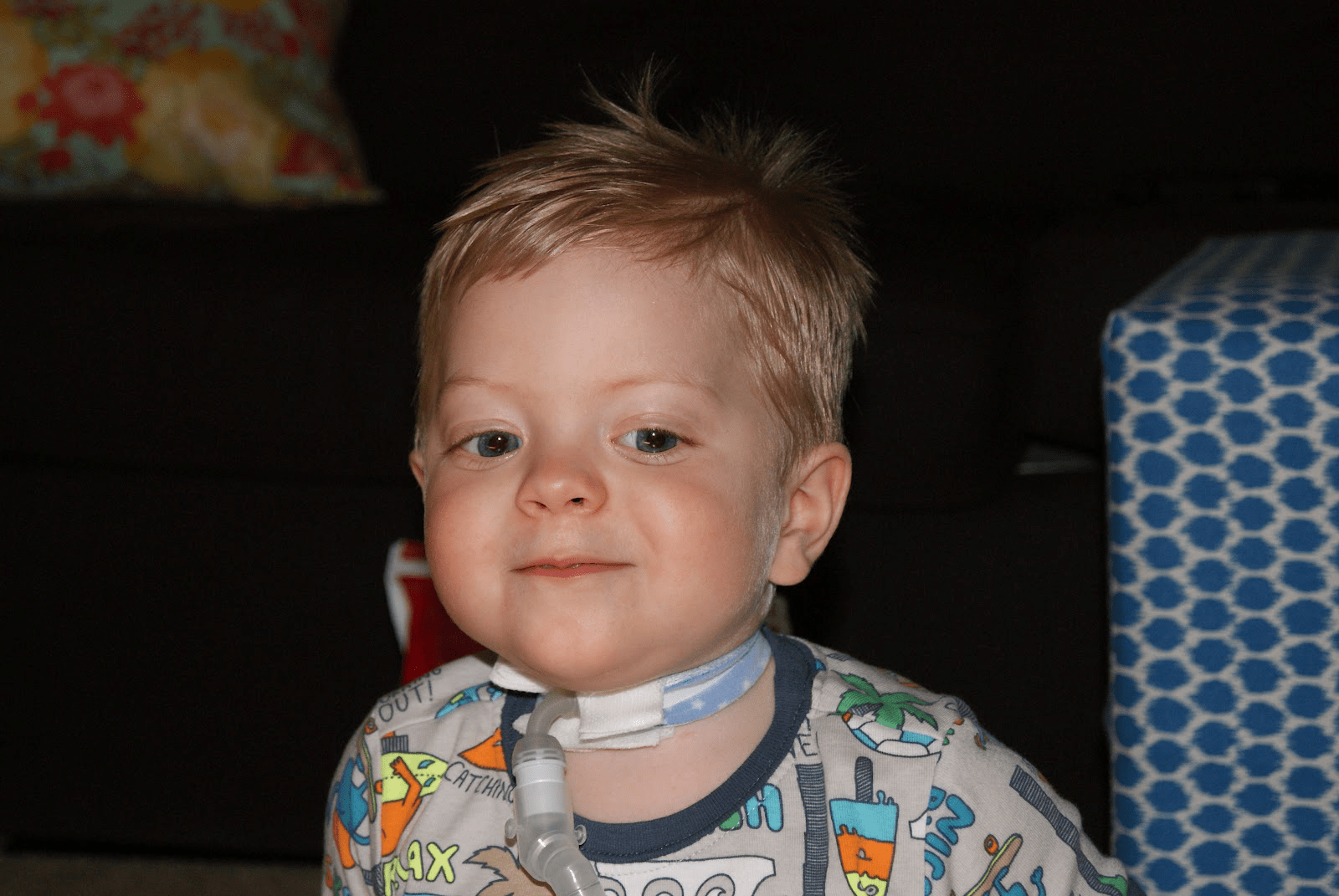 Freeing up hospital beds—how children can leave hospital sooner!