Podcast: Play in new window | Download
ABI (Acquired Brain Injury) & Tracheostomy: Long-Term Ventilation in ICU vs 24/7 ICU Nurses at Home | Live Q&A

Good morning, good afternoon, good evening, wherever you are. Welcome to another intensivecareathome.com live stream. ABI (Acquired Brain Injury) patients with ventilation and tracheostomy ICU nurses at home. And we’re talking about an evidence-based discharge plan today and how to make it safe at home instead of for your loved ones staying in ICU long-term if they have an ABI, an acquired brain injury and they’re ventilator and tracheostomy dependent.
My name is Patrik Hutzel and I’m very excited to have you here today. It’s Sunday morning, the November the 16th at 10:30 A.M., Melbourne, Sydney time. And I know for those of you watching that are in the U.S., I know many of you watching are in the U.S. It’s 6:30 P.M. on a Saturday, Eastern Standard Time, and 3:30 P.M., Pacific Time. And for those of you watching in the UK or in Ireland, it is currently just before midnight there.
So, thank you, everyone, for joining. But I also want to thank everyone that keeps watching these videos on replay because I know a lot of you are watching this on replay. And if you’re joining us and you like my videos, hit the like button, hit the subscribe button right now, turn on notifications, and share these videos with your friends and families, especially the ones that have loved ones in ICU with acquired brain injury or similar situations. Really for anyone that’s on a ventilator with a tracheostomy long-term, even though today’s session is all about the acquired brain injury, and it is an incredibly important topic to talk about the acquired brain injury patients in ICU who need long-term ventilation and tracheostomy care. And also drop a comment and tell me here where you’re watching from. Are you a family member with a loved one in ICU? Are you a healthcare professional or just someone who wants to learn more about critical care and also Intensive Care at Home.
Let me know in the comment section. The more that you comment, the more I can tailor the content here to what you want it to be. So, today’s session is split into two really powerful halves. The first 30 minutes, we’re covering ABI patients in hospital, long-term ventilation, tracheostomy management, and why 24/7 critical care registered nurses are absolutely essential.
And in the second half, we’re talking about what everyone wants to know, can these patients go home? And the answer is yes, with the right support structure with 24-hour critical care nurses at home as well. And I will talk about all of that in the second half of this video.
Before we dive in, I want you to know if you have a loved one in ICU right now and if you’re facing impossible decisions, if doctors are telling you there are no options, well, the good news is there are options, you just haven’t found out about them yet. That’s what we do at intensivecarehotline.com and intensivecareathome.com. Go to intensivecarehotline.com for one-on-one consulting and advocacy for families in intensive care, and go to intensivecareathome.com for evidence-based home intensive care, which includes ventilation, tracheostomy, ventilation without tracheostomy, tracheostomy care without ventilation, and also home TPN, home IV potassium, home IV magnesium, home IV antibiotic infusions, central line, PICC line, Hickman’s line, as well as port management at home. Also, cough assist management at home, ventilation weaning at home, palliative care at home, as well as PEG/PEJ tube management at home, nasogastric and nasojejunostomy tube management at home.
So, let’s look at the basics really, what is an acquired brain injury or an ABI? An ABI is any brain injury that happens after birth. This could be from hypoxic brain injury, lack of oxygen to the brain, which can happen during cardiac arrest, respiratory failure, or severe pneumonia, or from a traumatic brain injury from accidents, falls, or other trauma, and acquired brain injury could happen from stroke or aneurysm, brain tumors that affect the brainstem, and infections like encephalitis or severe sepsis.
Now when we’re talking about acquired brain injury or ABI patients in ICU who need long-term ventilation and tracheostomy, we are usually dealing with patients who have number one, respiratory failure that doesn’t resolve quickly, inability to protect their own airway, severe neurological impairment affecting their breathing muscles, often swallowing difficulties like dysphagia requiring feeding tubes, whether it’s a , nasogastric tube, PEG (Percutaneous Endoscopic Gastrostomy) tube feeding. And let me paint you a picture of what this looks really like in real life, and I’m going to use a real case study because we’ve just taken a patient with an ABI home from ICU in the last few months. And this client is a young lady. Unfortunately, the client had a brainstem tumor as a teenager that was treated but left her with ongoing challenges. And in 2024, she suffered an aspiration pneumonia, respiratory failure, and then catastrophically a cardiac arrest in ICU.
After CPR and return of circulation, the client had severe hypoxic brain injury and she ended up with a permanent tracheostomy, continuous mandatory ventilation, meaning the machine breathes for her, a PEG feeding tube, minimal conscious state initially, and no functional movement in three of her four limbs. The client spent 14 months in hospital, 14 months, most of that time was spent in ICU. Now here’s what happens in most hospitals. When you have an ABI patient, the medical team will say, “This is permanent.” They need to go to a nursing home, they need to stay in ICU long-term, they can’t go home, the family can’t manage, and the list of things that people can’t manage goes on, but here’s what they don’t tell you. With the right support structure, these clients can go home and live a much better quality of life than being stuck in a hospital or in ICU in particular.
And if you’re watching this right now and you’ve been told your loved one can’t come home, type home in the chat, and I want to see how many of you are facing this right now? The key really is to have 24/7 critical care registered nurses at home instead of facing a long-term stay in ICU. And I’m going to explain exactly why that’s non-negotiable for patients with tracheostomy and ventilation needs in a minute. All right, this is actually the most important part of today’s conversation. Pay attention because this could literally save your loved ones and your family’s life. When we talk about acquired brain injury patients with tracheostomy and ventilation, we’re not talking about basic nursing care, we’re talking about high-intensity, life-sustaining medical support that requires advanced airway management with tracheostomy ventilation expertise, emergency response capability, and ongoing continuous clinical assessments on a day-by-day basis. And let me break down exactly what this means.
So, let’s look at advanced airway management. A tracheostomy tube is a life-saving device, but it’s also a life-threatening risk if not managed properly. Here is what can go wrong. For example, the tracheostomy tube dislodgement, the tube comes out. If you don’t have someone who can replace it immediately within minutes, the patient stops breathing and dies. It’s that simple.
Next, tube blockage, secretions build up and block the inner cannula. The patient can’t breathe. You need someone who recognizes the signs early and acts fast. Cough management. The inflatable cuff or balloon that seals the airway needs to be deflated periodically to prevent tracheal damage. Do this wrong, and the patient aspirates secretions into their lungs, pneumonia, respiratory arrest, cardiac arrest, and death in the worst-case scenario.
Now, here’s the critical question. Who’s trained to manage these emergencies? Not general registered nurses without ICU experience, and definitely not support workers. They don’t have the training.
And even general registered nurses don’t have advanced airway training as part of their core education. So that only leaves critical care registered nurses who have post-graduate critical care training, advanced life support certification, years of hands-on experience in ICU managing ventilated patients, and the ability to recognize subtle signs of deterioration.
I’m a critical care nurse myself. By background, I have worked in critical care nursing for over 25 years in three different countries, where I worked as a nurse manager for over five years in intensive care. I’ve been consulting and advocating for families in intensive care all around the world since 2013 here at intensivecarehotline.com. I’m also the founder and managing director of intensivecareathome.com, where we’ve helped with both organizations, we’ve saved hundreds of lives for families in intensive care. And that’s verified on our podcast section at intensivecarehotline.com, where we interviewed clients, and it’s documented on our testimonial sections on both websites.
So, let’s look at our client’s case again, who was in ICU for 14 months and finally went home with intensive care, and also thanks to NDIS funding. But it was a long road for our client and the family to finally go home. And especially when a client desaturates regularly, which anyone on a ventilator with a tracheostomy is at high risk of. You can’t just send patients home without 24-hour critical care nurses. You can’t send patients home without evidence-based care. What’s evidence-based care? Well, I’m glad you’ve asked. So, evidence-based care in ICU means you have ICU doctors 24 hours a day, you have ICU nurses 24 hours a day, you have the relevant equipment, you have ICU physios, you have all the support staff and so forth. Well, that mustn’t really change when a patient goes home. So how do you provide evidence-based care at home?
Well, again, I’m glad you’ve asked. So, when you go to our website at intensivecareathome.com, you will find a section, the Mechanical Home Ventilation guidelines, and they are actually evidence-based. Those Mechanical Home Ventilation Guidelines are a product of over 25 years of Intensive Care at Home nursing in Germany and the product of over 13 years of Intensive Care at Home nursing in Australia. That’s how long we’ve been operating here in Australia. And I can tell you those evidence-based Mechanical Home Ventilation guidelines have stood the test of time for over 25 years now. And when you look at some organizations that’d say they can look after ventilated and tracheostomy patients with support workers, and before I go on, many people have died under this model. Of course they have died. That’s like flying the airplane with a cabin crew instead of the pilot.
Accidents are waiting to happen, and there’s no evidence for it. The evidence is people have died under this model, people have died under a general registered nursing model. So, the only real evidence-based and safe option are the evidence-based Mechanical Home Ventilation guidelines, which clearly direct to have critical care nurses 24 hours a day for ventilation and tracheostomy, for tracheostomy without ventilation, for ventilation without tracheostomy, to have critical care nurses 24 hours a day for all these scenarios.
And those critical care nurses should have a minimum of two years ICU or critical care nursing experience. And I can proudly say that this is accurately describing our workforce at Intensive Care at Home. We exclusively employ critical care nurses with two years critical care nursing experience. And most of them, similar to an ICU, have completed a postgraduate critical care nursing qualification. Similar to an ICU, I think the ICUs can only maintain accreditation when you have a minimum of 50% certified staff, meaning a minimum of 50% of your nursing staff need to have completed a postgraduate critical care nursing qualification. It’s the same for us, and I can confidently say that we employ hundreds of years of intensive care nursing experience combined in the community. No other service provider in the community brings in a higher skill level than we have at Intensive Care at Home.
I stand to be corrected. Please reach out to me if you bring in a higher skill level in the community. We are also the only service in 2025 in Australia that actually has achieved third-party accreditation for Intensive Care at Home nursing. There’s no other service provider in the country that has achieved what we’ve achieved in terms of third-party accreditation for Intensive Care at Home nursing. Because we have the policies, the procedures, we have built the intellectual property, there’s no other service provider that can match that. So, coming back to ABIs in ICU, like I said, long stays often in ICU, especially when patients can’t be successfully weaned off the ventilator and the tracheostomy. But that’s also then, to a degree, an exciting time for you when you are looking for solutions because we are the solution with Intensive Care at Home.
So, situations like that can be life-threatening, whether it’s in ICU or at home. But the good news is it can be managed in ICU, and it can also be managed at home with ICU nurses 24 hours a day with critical care doctor oversight and so forth because situations can be life-threatening. Call it for what it is. So, if this happens, let’s just say the client desaturates, their oxygen levels drop, our nurses would immediately assess the course, similar to ICU, provide manual ventilation with a resuscitation bag, if need be, suction secretions if needed, change inner cannulas if needed, change tracheostomy tubes if needed, give nebulizers if needed, monitor for pneumothorax or other complications.
Now think about it, if a general registered nurse, let alone a support worker, was alone when this happened, or they’d call an ambulance, so clients would be going back to hospital, and they’d be getting treatment that could be provided at home. They often then spend days, weeks, sometimes even months in ICU, and the cycle continues whilst it’s preventable, so type CCRN in the chat if you’re starting to understand why critical care nurses are non-negotiable for these patients in the community.
Now let’s talk about mechanical ventilation. This isn’t a BiPAP machine you can buy from a pharmacy. This is invasive, life-sustaining ventilation that requires circuit management, changing circuits, troubleshooting alarms, ensuring proper humidity and oxygen delivery, emergency protocols, ventilation failure, CCRN switches to manual bagging immediately if needed, clinical decision-making, adjusting settings based on oxygen saturations, respiratory effort, and patient response. The client is on continuous mandatory ventilation. Most of our clients are, let’s just say for argument’s sake, 12 breaths per minute with PEEP and pressure support. Without this, a client could die within less than five minutes.
Now multiply this by 24 hours a day, seven days a week. Every single hour requires secretion management and suctioning, sometimes hourly, sometimes even more frequently. Inner cannula changes are needed every four to six hours. There are tracheostomy dressing changes, monitoring for respiratory distress, emergency readiness, nebulizers, ensuring humidification is set up correctly, mobilization, the possible use of a Swedish nose, and spontaneous breathing trials.
All of this is why 24/7 critical care nurses are not a luxury, they’re a medical necessity. I can’t stress enough that it’s evidence-based, and the data doesn’t lie. Let me share some statistics that should shock you. I have evidence of at least five to eight patients in the last 10 years who have died in the community under support-worker or general registered-nurse models.
And it’s simply unacceptable. And it’s outrageous. But also, let’s look at what the NDIS Quality and Safeguards Commission reports. Respiratory infections and diseases contribute up to 50% of deaths in people with disability in Australia. And I’m sure those statistics would be similar in other English-speaking countries. The most common avoidable cause of death, aspiration pneumonia. Key contributing factors, delays in diagnosis, lack of proactive treatment, staff not trained to recognize emergencies. A 2019 scoping review of deaths, the majority of deaths were unexpected, staff had difficulty distinguishing urgent versus non-urgent situations. That’s when general registered nurses or disability support workers are being used because they wouldn’t know what to look for. They don’t have the experience, they don’t have the skills, they don’t have the knowledge, they never had the exposure. When you work in ICU like I have for decades, you know when to look for deterioration. You know what that looks like, you know what to do, you know how to troubleshoot, you know how to prevent, you know how to escalate. Once again, using general RNs or disability support workers is like flying the airplane with a cabin crew instead of the pilot.
So, let’s repeat the hard truth again. Multiple NDIS and other participants with tracheostomy and ventilation have died in the past 10 years because they didn’t have 24-hour CCRN funding. The commission investigated some of these deaths and acknowledged that lack of 24/7 CCRN support was a significant contributing factor. Let me repeat that. The hard truth is multiple NDIS participants and patients from other funding bodies with tracheostomy and ventilation have died in the past because they didn’t have 24/7 CCRN funding. The commission investigated these deaths and acknowledged that lack of CCRN support was a significant contributing factor.
And this is not fearmongering. This is evidence-based reality. And just as a side note, with all respect to disability support workers, I have met some disability support workers that are wonderful human beings, but they don’t have the skills or the training or the expertise to look after an ICU patient on a ventilator with a tracheostomy. With all respect, they may have worked in a supermarket last week and stocked some shelves, and now they’re a disability support worker looking after an ICU patient. It’s insanity. It is insanity. No amount of training or crash courses can prepare them for what’s out there.
Let’s also do a quick comparison between a general registered nurse and a critical care registered nurse. And let me be very clear about the difference. A general registered nurse has a three- to four-year bachelor’s degree, basic airway management skills, no advanced life support training in the core curriculum, and limited, if any ventilator experience.
Now compare that to a critical care registered nurse: a three- to four-year bachelor’s degree plus a postgraduate critical care qualification. They have advanced airway management training, annual advanced life support certifications, and years of ICU and sometimes ED experience with complex ventilated patients. They can perform emergency tracheostomy changes, are experts in ventilator troubleshooting, and are trained to recognize subtle signs of deterioration.
Now, would you want someone with only basic training managing your loved one’s airway when one wrong move could mean death?
I think the answer is crystal clear. And if you need help advocating for 24/7 CCRN support for your loved one, whether it’s through NDIS planning, TAC (Transport Accident Commission), iCare, NIISQ (National Injury Insurance Scheme, Queensland), DVA (Department of Veteran Affairs), and more, go to intensivecareathome.com or intensivecarehotline.com. We provide one-on-one consulting and advocacy to make sure your family gets the support you need.
Now let’s take a one-minute breather here. Drop your questions in the chat. I’ll answer some in a moment. Just give me one minute, please.
Okay, but first, if there are no questions right now, I want to talk about what this looks like in a typical day. Let’s look at a typical day in the life of a patient with an ABI at home. Let’s look at ICU first, and then let’s make the comparison to home care.
So, what does life look like for an ABI patient with tracheostomy and ventilation in ICU versus at home with a 24/7 critical care nurse? So, picture 14 months in ICU versus picture home care.
So, in a hospital in ICU, wakes up in an ICU bed or in an ICU step-down unit, noise, lights, interruptions all day and night, different nurse every shift, no consistency, bed bath often only, no shower often for weeks or months. Now a good ICU, I will tell you, will shower your loved one. If they’re not showering your loved one, something’s wrong in that ICU. But I also know the reality of hospitals. Minimal time out of bed, minimal mobilization that increases the risk for complications. No fresh air, no community access, family visits restricted to visiting hours. Now that should also be a concern for you. If any ICU or hospital is limiting visiting hours, they don’t get it. What is it that they have to hide? Why is it that you can’t visit your family member?
Now, healthcare-associated infections are a constant risk in a hospital as well. No privacy, no dignity, no quality of life. What does the daily routine look like in a hospital? Repositioning every two hours to prevent pressure injuries, tracheostomy suctioning as needed, medications via PEG tube, vital sign monitoring, maybe some allied health visits such as physiotherapy, OT, speech therapy, dietician, and so forth, mostly staring at the ceiling or a TV. What’s the emotional impact of that? Social isolation, depression, loss of identity, family relationships strained, parents, spouses, siblings become visitors, not parents, spouses, or siblings. Next, medical complications. Hospital-acquired infections, pressure injuries, muscle wasting from immobility, decreased alertness and engagement.
Now, let’s contrast that with Intensive Care at Home with 24/7 CCRNs. Well, our clients wake up in their own home, in their own bed. The same consistent nursing team who know, like, and trust her and hopefully vice versa. Clients and families know, like and trust our nurses and understand the non-verbal communication because that only comes over time with a consistent team, with a consistent approach.
Proper shower with hoist and tilt-in-space shower chair. We dress our clients in their own clothes, not a hospital gown. Clients can be hoisted into their own wheelchair every day. Access to fresh air, balcony, windows, natural light and community access, compare that to a stay in a hospital or an ICU bed. Daily routine, all the same, medical care, tracheostomy management, ventilation, medications, wound care. But also, watching her favorite cooking shows, having books read to her listening to music she loves. Family visits whenever they want. Quality time, no visiting hours. Get the pets in. If clients have pets, get the dogs, get the cats in. They’re therapeutic. Video calls with friends. Community access is possible with CCRN support of course only.
Now, Lissandra, I have seen your message. I’ll come to you in a minute.
Now, let’s look at the emotional impact. Decreased social isolation, improved alertness and consciousness, documented improvement since discharge. Family relationships restored parents are parents again, siblings are siblings again, not just carers. Most importantly, dignity and quality of life. The participation in life, not just existence.
What are some medical outcomes we have seen with our clients and with this client in particular? Pressure injury healing, not worsening due to consistent high quality care, no hospital readmissions, proactive management, preventing infections, better overall health and wellbeing.
Which life would you want for your loved one? Type “home” if you believe quality of life matter. This is what we do at Intensive Care at Home, we make life possible and I’m going to show you exactly how in the next segment.
So, let’s look at transitioning from ICU to home: the Intensive Care at Home model. All right, this is the segment you’ve been waiting for. How do you actually get an ABI patient with tracheostomy and ventilation home safely? Once again, this is where intensivecareathome.com comes in. We specialize in evidence-based mechanical home ventilation with 24/7 critical care registered nurses, which are evidence-based as per the Mechanical Home Ventilation Guidelines. We’ve successfully transitioned multiple complex patients from ICU to home, including the case that we’re talking about today.
Let’s look at the Intensive Care at Home model. Our model is built on evidence-based guidelines that you can find at our website intensivecareathome.com at the Mechanical Home Ventilation Guidelines. These guidelines outline best practice for patient selection for home ventilation, care team requirements, equipment and safety protocols, emergency management, quality assurance, which is very important.
Let me walk you through our care structure. I’ve seen, Lissandra, you believe in quality of life at home and not just care in an ICU or in an LTAC. I can see you’re in the U.S. I’ll come to your question.
Number one, let’s look at 24/7 critical care registered nurses, which is the foundation. Every single hour of every day there’s a CCRN providing direct care in someone’s home, not on call, physically present, similar to an ICU. Responsibility, respiratory care, airway management, secretion management, suctioning, ventilation management, personal care, mobility, repositioning, transfers, hygiene, oral care, skincare, skin integrity, nutrition, PEG feeds and hydration management, medication management, including schedule 8 or schedule 4 medications that legally require double checks over the phone and so forth, continuous monitoring and assessment and emergency response.
Let’s look at staffing ratios, one-to-one 24 hours a day, CCRNs. Two to one, support during the day. So a CCRN is a support worker for at least 12 hours. This allows for safe transfers, mobilization, using hoist equipment support workers assist with personal care under CCRN supervision, 24 hours a day when needed.
Next, let’s look at the clinical care coordinator role. This is a CCRN in a leadership role, six hours per week, non-clinical responsibilities, liaison with specialists, allied health, GPs (general practitioners), staff education and training, help with roster management, equipment management and safety testing, quality assurance, performance, management of staff, central point of contact for consistency of care.
So why does this matter? Research shows that continuity of care reduces hospital and ICU admissions. It reduces mortality, it improves patient outcomes, it improves family satisfaction, and the Australian Institute of Health and Welfare confirms this data.
Let’s look at support workers up to 16 hours per day to assist the CCRN with mobility and transfers under CCRN supervision, domestic tasks, recreation and community access, emotional support, assistance with personal care as directed by our CCRNs.
Now, once again, let’s make the critical distinction. Support workers never provide unsupervised care for respiratory ventilation or airway management. This is outside of their scope of practice and would be unsafe, potentially lethal.
So, let’s look at some real world outcomes and let’s look at what happens with some of our clients with an ABI at home. Before discharge in hospital, they were in a minimally conscious state, confined to bed for months on end, no hoist access. Stage 4 pressure injury, healthcare and hospital associated infections, limited family time and no quality of life.
After discharge with 24/7 CCRNs, we are now five, six months into the transfer home. Improved level of consciousness and interaction, can communicate using facial expressions, eye movements, alphabet board, and even write. Next, our client has a team of CCRNs they know, like, and trust. Gets hoisted out of bed into the armchair and wheelchair. The pressure injury is healing, not worsening, no hospital readmissions, spends time with family, pets, enjoys the hobbies, living at home with dignity.
So, let’s also look at how medical complexities are managed at home. Obviously, continuous mandatory ventilation, hourly suctioning requirements or as needed, daily oxygen monitoring if desaturation happens, it requires suctioning and requires manual ventilation, PEG feeds are going in four times daily plus obviously water intake, complex medication regimen including PRN medications, wound care done twice daily, tracheostomy dressing changes are done twice daily at least, two-hourly repositioning when the client is in bed and not in the wheelchair, indwelling catheter management. All of these managed safely at home because we have the right team and also right mindset in place.
Next, let’s look at community access. Here’s something critical. All of our ventilated and tracheostomy clients at Intensive Care at Home have community access. This means going outside for fresh air, attending medical appointments, visiting family, community outings, going to the shopping center, going to the movies, whatever clients want to do, and participating in life, not just existing. Our CCRN accompanies the client for all community access to manage airway and ventilation needs. This is reasonable, necessary, and life-changing.
Let’s look at the equipment and setup. To make this work, you need hospital-grade ventilator but also designed for home care, suction equipment (portable and stationary), manual bagging equipment, oxygen supply, emergency equipment, hoist system for transfers, pressure relieving mattress, tilt-in-space wheelchair, shower chair, all respiratory consumables and supply. Also, ideally, a hospital-grade bed. We manage all of this. Our clinical care coordination ensures equipment is maintained and tested to standard supplies are ordered and stocked. Everything is ready for any emergency.
Now, let’s also look at funding. Now the first thing you need to know is that an ICU bed costs between $5,000 to $6,000 per bed day. It’s the most expensive and also the most sought-after bed in a hospital. For eligible clients, this is funded through NDIS in Australia as disability related health supports. The key is having an NDIS funded diagnosis that leads to the healthcare issues, proper assessments like comprehensive nursing assessments, functional capacity assessments from OTs (occupational therapists), doctor’s letters, doctor’s assessments, physio assessments and so forth. Evidence-based recommendations, clear demonstration that supports are reasonable and necessary and advocacy to ensure the NDIS understands the requirements or any funding body for that matter.
This is also where Intensive Care Hotline comes in because we provide one-on-one consulting for families in intensive care. We can review the NDIS plans, review and advocate hospital discharge planning support, expert guidance on funding applications and connection to appropriate service providers like allied health, support workers where needed, medical equipment suppliers, we have all of that network to make that happen.
Also, what’s very important here, we have our own NDIS support coordinators at Intensive Care at Home, which will help with the funding because most NDIS support coordinators don’t really understand the level of funding our clients need, whereas we have our own NDIS support coordinators who have a lot of experience in the complex care space.
Again, contact us at intensivecareathome.com or at intensivecarehotline.com. Subscribe to my YouTube channel here for daily education for families in intensive care. If you have any questions, send us an email to [email protected].
So, we’ve got a few minutes left and I want to answer your questions that have come in. Lissandra, thank you so much for waiting and for being patient. I’ll come to your questions now. So you’re saying,
“Are you able to effectively help me to get my husband moved home from intensive care to home intensive care from LTAC. I was told that he has experienced nursing looking after him. He went to a specialty long-term nursing home.
He was in ICU from the 7th of March to the 31st of July. I was told he needs long-term care because he’s fully disabled, no mobility, non-verbal. He was able to get off the ventilator before he left ICU and moved to LTAC.
He was able to get on just oxygen, 15 liters. He has a tracheostomy and PEG feeding and he suffered an anoxic brain injury and he just stares, some movements but not sure if he’s seeing.”
So Lissandra, your husband was off the ventilator and is he now back on the ventilator. Now also, if you like, it’s up to you, you can keep typing your questions into the chat pad or you can just connect with me here live on the StreamYard link. I’ve just posted the StreamYard link in there. If you want to, you can talk to me directly here. It’s up to you if you want to continue to type your questions in the chat pad or just…
“Now, he’s back on the ventilator because of mainly pneumonia and effect his breathing. Now, they tell me he’s not able to be weaned yet.”
Okay, so my extensive experience, Lissandra, shows that unfortunately whenever patients go from ICU to LTAC, LTACs are not equipped to look after long-term ventilated patients with tracheostomy. They’re just not. No matter what clever advertising they’re using on their websites, my experience is when patients go from ICU to LTAC, things deteriorate pretty quickly. I could write a book about it. I’ve spoken to so many families over the years in the U.S. When patients go to LTAC, it never ends well. I am so not surprised that you’re telling me that the minute your husband went to LTAC, that he’s now back on the ventilator and he was off the ventilator in ICU.
Now, I can tell you the only safe place to wean someone off the ventilator and the tracheostomy is either ICU or Intensive Care at Home. LTACs are dangerous places. I have made a video maybe a couple of years ago with a title, “10 Reasons Why LTACs in the U.S. are a Scam,” and I stand by everything that I’m saying in there.
So where to from here? Lissandra, I would strongly recommend that you contact me after this video and you can contact me by sending me an email to intensivecareathome.com. I would also highly recommend that you get access to the medical records so that we can have a look of what’s possible, what can we do, how can we help you, how can we get him home and so forth.
But the bottom line is, when patients in LTAC have setbacks, and clearly if your husband was off the ventilator in ICU, now he’s going back on the ventilator and he’s back on the ventilator. LTAC would not have the skills or the expertise to turn this around from my extensive experience.
“Do you have ways I can get help to fund his home care?” Yeah, sure. Before we look at funding, Lissandra, we would need to look at what’s your husband’s clinical condition. What’s your husband’s clinical condition? Is it possible? I’d say yes, it probably is. Lissandra, I also think I’ve spoken to you before. I think I have now, the name rings a bell. I think I have spoken to you, haven’t I? I would have to look through my files, through my emails, but the name rings a bell. I’m pretty sure I’ve spoken to you.
In any case, once we know that home care is possible, then we can look at funding, that is the next step. Keep in mind the health insurance is paying for some level of care in LTAC, and that’s another reason why you should never go to an LTAC, and I explained to you why. Number one, we have helped so many clients in the U.S. over the years to keep their loved ones in ICU instead of going to an LTAC with very good outcomes. But here’s another reason why you should not only from a safety perspective, here’s another reason why you should never go from ICU to LTAC in the U.S. An ICU bed costs $5,000, $6,000 per bed day. That’s a lot of money for the insurances to pay.
An LTAC, I don’t know how much an LTAC is maybe half of that cost, maybe less, not sure. However, going from ICU to Intensive Care at Home cuts the cost by around 50%. It’s probably the same for an LTAC. However, where do you want to be? Where would you rather be? Would you rather be at home or would you rather be in an ICU or would you rather be in an LTAC? Well, you know the answer, Lissandra, I know the answer and anybody watching this knows the answer. You want to be at home, of course.
Then it comes down to negotiating with the fund saying, “Hey, you’re paying $5,000, $6,000 per day in ICU, let’s go home and let’s pay half of it.” So you are in a much better negotiating position when you are in an ICU compared to an LTAC, you’re in a much better negotiating position. But you also need to think about your loved one’s well being. Never, ever go to LTAC. Unfortunately, we have so many horror stories on our website at intensivecarehotline.com where we’ve detailed some of the horror stories that we’ve seen over the years in patients going from ICU to LTAC. It never ends well, it never ends well.
But what is also important here, for anyone watching this, you mustn’t worry about funding. You really mustn’t worry about funding. The funding will come. We wouldn’t exist otherwise. So do not worry about funding. Do not worry about who’s paying for it. Worry about what’s best for your loved one. Reverse engineer. The first thing you need to work out: What’s best for your family member? What’s best for you as a family? Once you’re clear in your head that you want your family member to be at home, then we reverse engineer. We’ll go back and say, “This is how much it would cost. This is how we need to position this to insurance or to the NDIS or to whoever is funding it.” It doesn’t really matter who’s funding it.
The bottom line is, someone’s funding an ICU bed or an LTAC bed. That’s the bottom line. You just need to reverse engineer, here’s what I want and here are the steps we will be taking to get your loved one home. That’s all it is, keep things simple. Do not overcomplicate. A lot of families overcomplicate, they think, “Oh yeah, no one will pay for this.” Forget about that. You have a lot of power here, you do.
We would’ve not succeeded with Intensive Care at Home without the push from families. I can talk about Intensive Care at Home here all day long. It doesn’t matter how wonderful I think it is, it’s completely irrelevant. All that matters is how wonderful do you think it’s going to be and how wonderful do our families think it is. That’s really all that matters.
My voice is much less powerful than your voice. Keep that in mind. I’m just the facilitator of it all. But your voice, anyone watching this, you have a family member in intensive care. You’re looking for a solution. You’re looking for home care. Your voice is the most powerful voice in all of this. We provide a service, that’s wonderful. But we can only provide this service with families desiring the service and wanting this service as bad as they need oxygen to breathe.
That’s really everything that turns the needle here. You as a family, you will be able to turn the needle. I can guarantee you, because yes, we are a facilitator, all of this, but do not underestimate your voice in this. Your voice is the most important voice in this, not my voice. I’m just providing a platform for families so they can feel empowered to use their voice.
“Would a two-day 1:1 consult be enough to get the most help to decide on how to get my husband back home? I just have been approved for Medicaid. I wonder for the best solution for him.” Lissandra, first step here is to send me the medical records and then I can guide you from there. Email me the medical records, and then I can guide you from there. I don’t know whether you have access to the medical records, maybe we already have access to the medical records.
Lissandra, the more that you’re typing in here, the more I’m certain I have spoken to you at some point in the last few months. I’m talking to so many people. But I do believe I’ve spoken to you, maybe we already have access to some of your husband’s medical records. I can’t remember off the top of my head, but I would need to look at your husband’s medical records. That would be the first step. It doesn’t mean that we need to look at thousands of thousands of pages because your husband by now would’ve accumulated thousands and thousands of pages if he’s been in hospital since March this year. All I need is a summary of where he’s at, at the moment, sort of a brief medical history of what’s happened since March. Then, I can very quickly tell you whether home care is possible or not.
A lot of it also comes down to location. So what do I mean by that? In a nutshell, metropolitan areas are easier to service than regional areas or remote areas. Now, don’t get me wrong, we are doing regional and remote as well, but as you can imagine, it is easier to set up a client for home care in a metro area where there’s more resources, more staff and so forth. It often takes longer to set up a client in a regional or remote area, but we’ve done many regional and remote areas. So it’s not absolutely doable, it’s absolutely doable. But just I guess for the bigger picture here, that it’s all doable and do not underestimate your voice. Your voice is very, very powerful.
So any other questions before we wrap this up? Please type them into the chat pad. If there are any other questions, type them into the chat pad before I do wrap this up. So, I want to thank you again for joining today’s live session. I want to thank everyone who’s watching this on replay. This is really the work that matters, giving families hope, providing evidence-based solutions and changing lives. One patient or one client and one family at the time. 4
Remember, tracheostomy and ventilation are options. Home is possible and quality of life matters. Lissandra: “Not yet. I have a copy of his itemized bill. We’ll see if I can obtain the medical records.” Lissandra, if you are the decision maker, you have a right to access medical records. It’s not a privilege, it’s a right.
Maybe as a final thought here, anyone watching this, I cannot believe that you would be flying blind in a situation like that. I cannot believe that you have a family member in intensive care or in LTAC and you don’t have access to the medical records. It’s an absolute must.
From my extensive experience. I know that hospitals, ICU teams, LTAC teams, they’re not even telling you half of what’s going on. They’re not telling you half of what’s going on. When we look at medical records, we immediately tell you, “Oh, have you looked at this? Have you looked at that?” And you say, “Well, I have no idea.” Because you didn’t know.
The biggest challenge for families in intensive care is that they don’t know what they don’t know. They don’t know what to look for. They don’t know what questions to ask. They don’t know their rights, and they don’t know how to manage doctors and nurses in intensive care. That’s your challenge. By you having access to the medical records, you are actively starting to manage that challenge. We can help you with that by reviewing medical records.
Okay, so I’m going to wrap this up now. I want to thank everyone once again to come onto this call whether in person or you’re watching this on replay. If you like the work that I’m doing, like the video, subscribe to my YouTube channel and share the video with your friends and families, anyone who will benefit from this video, click the notification bell.
Remember, your voice matters. Your voice is the most important voice in all of this. I want to leave you with that. Go to intensivecareathome.com, contact us there or go to intensivecareathome.com and contact us there.
Remember, we provide 24/7 critical care nurses at home. We provide consulting and advocacy in intensive for families in intensive care. We have also NDIS support coordination and NDIS specialist support coordination, TAC and WorkSafe case management.
We are operating all around Australia and in parts of the U.S. and we operate all around the country in regional and remote areas as well. We are the only service provider in 2025 that has achieved third-party accreditation for intensive care.
Have a good week, stay well, and I’ll talk to you again very soon.
Now, with Intensive Care at Home, we are currently sending our ICU and critical care nurses into the home, 24 hours a day. We are providing the following:
- Home care services for ventilated adults & children with tracheostomies with critical care nurses 24 hours a day
- Genuine alternative to a long-term stay in intensive care or at long-term acute care
- Tracheostomy care for clients without ventilation
- Home care services for patients on non-invasive ventilation such as Home BIPAP (Bilevel Positive Airway Pressure), Home CPAP (Continuous Positive Airway Pressure)
- Home TPN (Total Parenteral Nutrition), which is also known as IV nutrition
- Home IV potassium and home IV magnesium infusions, IV fluids, and IV antibiotics
- Providing central line management, PICC (Peripherally Inserted Central Catheter) line management, Hickman’s line management, as well as port management at home.
- Providing nasogastric tube and PEG (Percutaneous Endoscopic Gastrostomy) tube management at home
- Use cough assist machines for our clients for airway clearance at home
- Palliative care services at home
- Ventilator weaning at home
We’re also sending our critical care nurses into the home for emergency department bypass services. We have done so successfully as part of the Western Sydney Local Area Health District, their in-touch program, saving approximately $2,000 per patient that we keep at home, instead of them going to an emergency department.
That also means, we’re also in a position to cut the cost of an intensive care bed by around 50%. An intensive care bed costs between $5,000 to $6,000 per bed day. Our services costs between $2,500 to $3,000 per bed day, and we’re freeing up the most sought-after bed in the hospital, which is the ICU bed. Most importantly, we’re improving the quality of life for patients and their families, which is a win-win situation for all stakeholders. Of course, quality of life is much improved surrounded by families and by a team of dedicated intensive care nurses in the home care setting instead of in an intensive care unit.
With Intensive Care at Home, we are currently operating all around Australia in all major capital cities as well as in all regional and rural areas. We work with NDIS (National Disability Insurance Scheme) clients all around Australia, TAC (Transport Accident Commission) and WorkSafe in Victoria, Department of Veteran Affairs (DVA) all around Australia. Our clients and we, as a service provider, have also received funding through public hospitals, private health funds, as well as Departments of Health.
We are having policies and procedures for Intensive Care at Home nursing and we’ve built all the intellectual property for Intensive Care at Home since 2012. No other provider in Australia has created more intellectual property when it comes to Intensive Care at Home nursing than we have. This puts us in a position to employ hundreds of years of critical care nursing experience combined in the community. No other service provider in 2025 employs a higher skill level in the community than we do, which enables us to look after the highest acuity adults and children in the community in Australia safely.
If you’re at home already and you’re watching this, or you’re stuck in an ICU long-term, or if you’re going to the hospital and ED all the time, and you realize that you don’t have the right level of support at home, or if you are stuck in an ICU, I’ll give you a real-world example today, how we can help you.
One of our first clients when we first got started in 2012, was a client who was at home initially on a ventilator with a tracheostomy with a support worker model 24/7. Of course, support workers are not equipped to look after a client at home on a ventilator with a tracheostomy. That is dangerous and it’s simply negligent. Having support workers looking after a client at home on a ventilator with a tracheostomy is like flying the airplane with a cabin crew instead of the pilot. Because anyone on a ventilator with a tracheostomy is at very high risk of medical emergencies 24/7, or even at high risk of dying if they don’t have a team of dedicated critical care nurses looking after them 24/7 at home. This is actually evidence-based and is documented in our Mechanical Home Ventilation Guidelines that you can find on our website at intensivecareathome.com.
Think about it, in an intensive care unit in a hospital, you wouldn’t have support workers looking after your critically ill loved one or after any critically ill patient on a ventilator with a tracheostomy. So, why would anyone in their right mind do that in the home care environment in the community?
So, this client at the time found out about us eventually, and the ICU that he was basically living in also knew about us and eventually reached out to us. We were proving our concept with this client very fast. When we worked with this particular client, we sent him critical care nurses, 24 hours a day. He never ever went back into ICU ever again, as long as we were working with this client.
We can do the same for you if you’re not safe at home and help you with keeping you at home predictably. Otherwise, we would not be in business. Again, the same is applicable for those stuck in an ICU, similar to this case study that I’ve just given you, or if you’re going back to ED all the time, please reach out to us. We can help you with taking you through the right steps, including how to get funding with different funding bodies.
This is also why we are providing NDIS Support Coordination. We have a team of NDIS Support Coordinators, and they have a wealth of knowledge. I’ve done an interview with Amanda Riches, one of our NDIS support coordinators, and I’ll put a link to an interview with Amanda in the written version of this blog. We’re also providing TAC case management and WorkSafe case management in Victoria with Lucy McCotter.
If you’re an NDIS support coordinator or a case manager from another organization watching this, and you’re looking for nursing care for your participants, please reach out to us as well. If you need more evidence for nursing care, we are also writing NDIS nursing assessments with legal nurse critical care consulting nurses.
If you are a critical care nurse and you’re looking for a career change and you want to join a very progressive, dynamic, and high performing team of critical care nurses in the community, we’re employing hundreds of years of critical care nursing experience combined. You can join this high performing team if you are a critical care nurse.
If you are looking for a career change as a critical care nurse, we’re currently hiring for jobs for critical care nurses in Melbourne, Sydney, Brisbane, in Albury, Wodonga, in Bendigo, in Geelong, in Warragul in Victoria. If you have worked in critical care nursing for a minimum of 2 years pediatric ICU, ED, and you have already completed a postgraduate critical care nursing qualification, we will be delighted hearing from you.
I do have a disclaimer though, because we are offering a tailor-made solution for our clients, which includes regular staff, our clients also do want the same staff coming over and over again because they are so vulnerable and so special. That’s why we need regular staff. So, if you’re looking for agency work, where you can come and go, this will not be the right fit for you. We are looking for consistency and our clients are looking for consistency. So please, only apply with us if you can give us regular and consistent availabilities for shifts, and you’re really keen on building solid relationships with us and with our clients.
If you’re an intensive care specialist or an ED specialist, we also want to hear from you. We’re currently expanding our medical team as well. We can also help you eliminate your bed blocks in your ICU and in your ED for your long-term patients, or for your regularly readmitting patients with our critical care nursing team at home. We’re here to help you take the pressure off your ICU and ED beds. In most cases, you won’t even pay for it. Even if you do pay for it, it is so much more cost-effective than what you’re paying for in ICU and ED, and you get the same level of care.
If you’re a hospital executive watching this and you have bed blocks in your ICU, ED, and respiratory wards, or for home TPN, please reach out to us as well. We can help you eliminate your bed blocks very fast.
If you’re in the U.S. and in the U.K. and you’re watching this, and you need help, we want to hear from you as well. We can help you there privately with one-on-one consulting and with hiring nurses privately.
Once again, our website is intensivecareathome.com. Call us on one of the numbers on the top of our website, or simply send us an email to [email protected].
If you like my videos, subscribe to my YouTube channel for regular updates for families with Intensive Care at Home and intensive care. Click the like button, click the notification bell, share this video with your friends and families, and comment below what you want to see next or what questions and insights you have from this video.
Thank you so much for watching.
This is Patrik Hutzel from intensivecareathome.com and I will talk to you in a few days.
RELATED LINKS:
 Why specialized services for Long-term ventilated adults and children with Tracheostomy outside of Intensive Care in the community are becoming a vital necessity!
INTENSIVE CARE AT HOME is it evidence based?
ARE INTENSIVE CARE UNITS OPERATING IN A VACUUM WHEN IT COMES TO END OF LIFE SITUATIONS?
Is looking after long-term ventilated Patients with tracheostomies in Intensive Care “best practice”?
Why specialized services for Long-term ventilated adults and children with Tracheostomy outside of Intensive Care in the community are becoming a vital necessity!
INTENSIVE CARE AT HOME is it evidence based?
ARE INTENSIVE CARE UNITS OPERATING IN A VACUUM WHEN IT COMES TO END OF LIFE SITUATIONS?
Is looking after long-term ventilated Patients with tracheostomies in Intensive Care “best practice”?
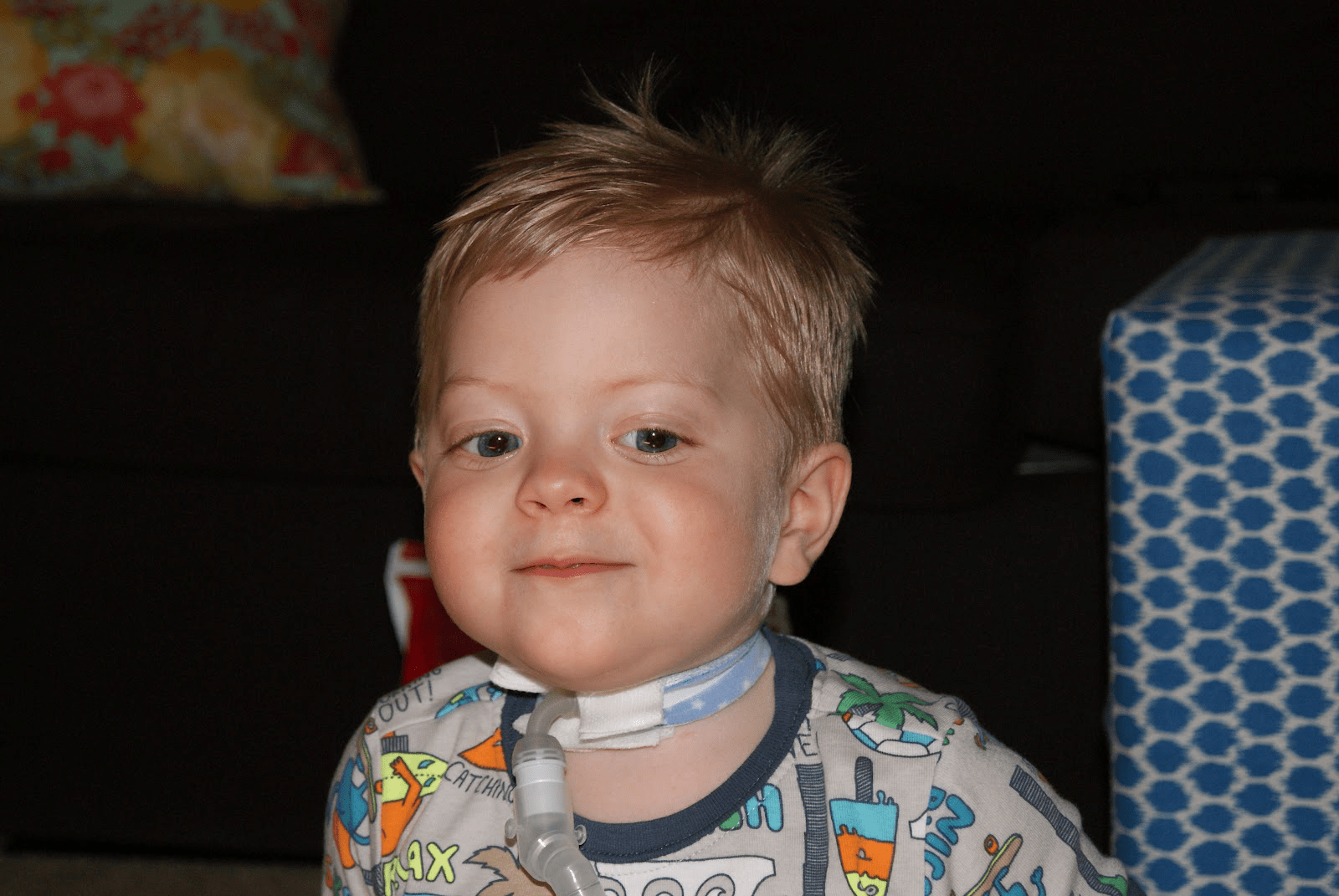 Freeing up hospital beds—how children can leave hospital sooner!